Silver dollars are the crown jewels of American numismatics — large, beautiful, and steeped in history. Whether you've inherited a bag of old silver dollars or found one at a flea market, understanding their values can mean the difference between selling for melt value and discovering a coin worth thousands. Here's your complete guide.
Types of American Silver Dollars
The United States produced several distinct silver dollar designs over more than 200 years. Each has its own collector market, key dates, and value structure.
Flowing Hair Dollar (1794–1795)
America's first silver dollar. The 1794 is believed to include the very first silver dollars ever struck, and one example sold for over $10 million. Even the more common 1795 costs $1,500+ in low grades. These are museum-quality pieces — most collectors admire them from afar.
Draped Bust Dollar (1795–1804)
Featuring Liberty with flowing, draped fabric. The 1804 dollar is the legendary "King of American Coins" worth millions, but it was actually struck decades later as a diplomatic gift. Regular dates range from $800 to $3,000+ in collector grades.
Seated Liberty Dollar (1840–1873)
A long-running design with many scarce dates. Common dates in Good condition start around $200 to $300. Key dates like the 1870-S (extremely rare) and the 1871-CC can be worth thousands to hundreds of thousands.
Trade Dollar (1873–1885)
Designed for commerce in Asia, these slightly heavier silver dollars feature Liberty seated with her hand reaching toward the Orient. Common dates: $150 to $300. The proof-only dates of 1879–1885 are rare and expensive ($800 to $100,000+). Many Trade dollars were chopmarked (stamped by Asian merchants to verify silver content), which reduces value to some collectors but adds historical interest.
Morgan Dollar (1878–1921)
The most popular and widely collected American silver dollar. Designed by George T. Morgan, these large silver coins were produced in massive quantities at Philadelphia, New Orleans, San Francisco, Denver, and Carson City. Common dates in circulated condition: $30 to $50. Key dates can be worth hundreds to thousands.
Most valuable Morgan dollars:
- 1893-S: The king of Morgan key dates. Mintage of only 100,000. $4,000+ in Good, $50,000+ in Mint State.
- 1889-CC: The scarcest Carson City Morgan. $1,000+ in Good.
- 1895 (Proof only): No circulation strikes were produced. Proofs only: $30,000+.
- 1879-CC: $200+ in Good. Carson City premiums.
- 1892-S: $150+ in Good. Underappreciated rarity.
- 1884-S: Common in low grades ($40), but extremely rare in Mint State ($10,000+).
Peace Dollar (1921–1935)
Designed to commemorate the end of World War I, the Peace Dollar features a youthful Liberty on the obverse and a perched eagle with an olive branch on the reverse. Common dates: $25 to $40. The series has fewer key dates than the Morgan series but some standouts:
- 1921 High Relief: The first year, with a higher relief than subsequent years. $100+ in VF.
- 1928: Lowest mintage regular date (360,649). $250+ in VF.
- 1934-S: Scarce in higher grades. $50+ in VF, but $5,000+ in MS-65.
- 1935-S: The last Peace Dollar until the 2021 revival. $30+ in VF.
Eisenhower Dollar (1971–1978)
Most Eisenhower dollars are copper-nickel clad and worth face value. However, the 1971-S and 1972-S 40% silver versions (sold in special Mint sets) are worth $8 to $15 for their silver content. The 1972 Type 2 reverse (used briefly on Philadelphia strikes with a more detailed Earth design) is worth $50+ even in circulated condition.
Identify Your Silver Dollars Instantly
Not sure which type of silver dollar you have? Our Coin Identifier app can identify Morgan dollars, Peace dollars, Seated Liberty dollars, and more from a single photo. Get instant details on mintage, key date status, and approximate value range.
Download Coin Identifier and discover what your silver dollars are worth!
Silver Dollar Values by Condition
Condition dramatically affects silver dollar values. Here's a general range for common-date examples:
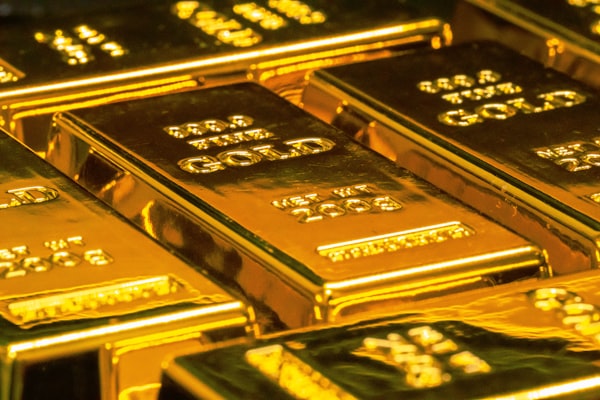
- Cull/Damaged: Worth silver melt value ($20–25 depending on silver prices).
- Good to Very Good: $30 to $40 for common Morgans, $25 to $35 for common Peace dollars.
- Fine to Very Fine: $35 to $50. Starting to show nice detail.
- Extremely Fine to About Uncirculated: $40 to $75. Attractive coins with most detail intact.
- Mint State (MS-60 to MS-63): $50 to $100. No wear, but may have bag marks.
- Gem Mint State (MS-65+): $100 to $500+ for common dates. Key dates can be worth many thousands.
The Carson City Premium
Coins minted at the Carson City Mint (identified by a "CC" mintmark) consistently sell for premiums over coins from other mints. The Carson City Mint operated from 1870 to 1893, and its coins carry the romance of the Wild West, Nevada silver mining, and frontier America.
Even common-date CC Morgan dollars sell for $100 to $200+ in circulated grades, compared to $30 to $50 for Philadelphia or New Orleans coins of the same date. The GSA (General Services Administration) hoard of uncirculated CC Morgans, sold in the 1970s in special holders, is a popular collecting specialty.
Silver Melt Value vs. Collector Value
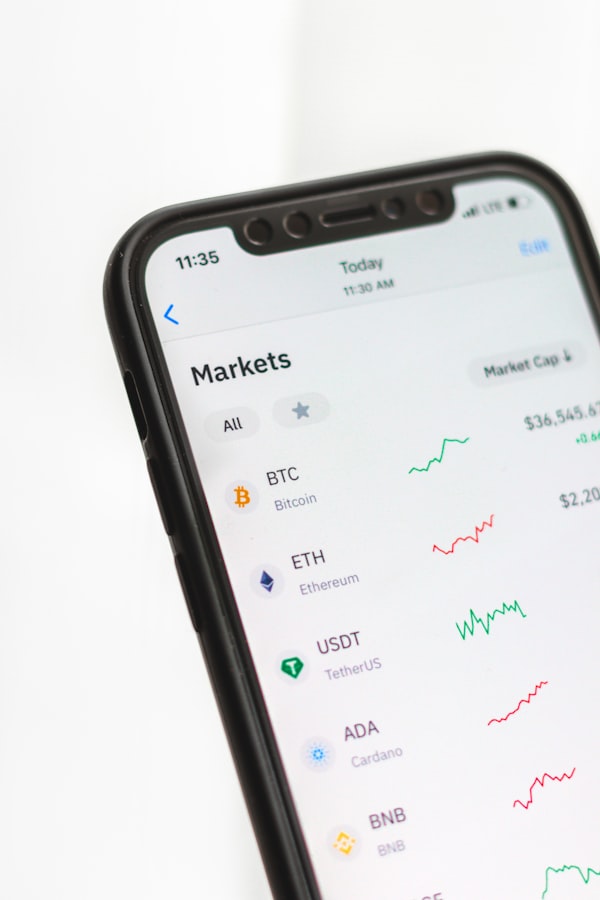
Every pre-1935 silver dollar contains approximately 0.77 troy ounces of pure silver. At a silver price of $25 per ounce, that's roughly $19 in melt value. However, virtually all silver dollars trade above melt value due to collector demand — even the most common, beat-up Morgan dollar sells for $30+.
Key points about silver value:
- Silver prices fluctuate daily. Check current spot price before buying or selling.
- Dealers typically buy common silver dollars at a percentage above melt (often 10-30% above spot).
- Retail prices for common dates are 50-100% above melt.
- Key dates, high-grade coins, and CC mint coins are valued primarily by collector demand, not silver content.
How to Spot Fake Silver Dollars
Silver dollars are among the most counterfeited U.S. coins. Here's how to protect yourself:
- Weigh it: A genuine Morgan or Peace dollar weighs 26.73 grams. Most fakes are off by 1-2 grams or more.
- Measure the diameter: Should be exactly 38.1mm.
- Check the edge: Genuine silver dollars have a reeded (ridged) edge. Fakes often have poorly defined reeding.
- Look at the details: Cast counterfeits have mushy, soft details. Struck counterfeits may have wrong die characteristics.
- The ping test: Silver has a distinctive, sustained ring when tapped. Base metals produce a dull thud.
- Magnet test: Silver is not magnetic. If a magnet sticks, it's fake.
- Buy certified: For expensive coins, always buy PCGS or NGC graded examples.
Tips for Buying Silver Dollars
- Know your purpose: Buying for silver content? Focus on price per ounce. Buying for collecting? Focus on condition and key dates.
- Buy the coin, not the holder: Don't overpay just because a coin is in a fancy case or comes with a certificate from a non-PCGS/NGC grading service.
- Inspect before buying: For raw (uncertified) coins, examine closely for cleaning, damage, and authenticity.
- Compare prices: Check recent eBay sold prices, dealer websites, and the PCGS or NGC price guides to understand fair market value.
- Start with common dates: Build your knowledge and eye for quality with affordable coins before spending big on key dates.
Discover Your Silver Dollar's Value
Whether you've inherited a collection or picked up a silver dollar at an estate sale, knowing its true value starts with identification. The Coin Identifier app can identify any silver dollar type, date, and mintmark from a single photo — giving you instant insights into what your coin might be worth. Download it free and start exploring your collection!